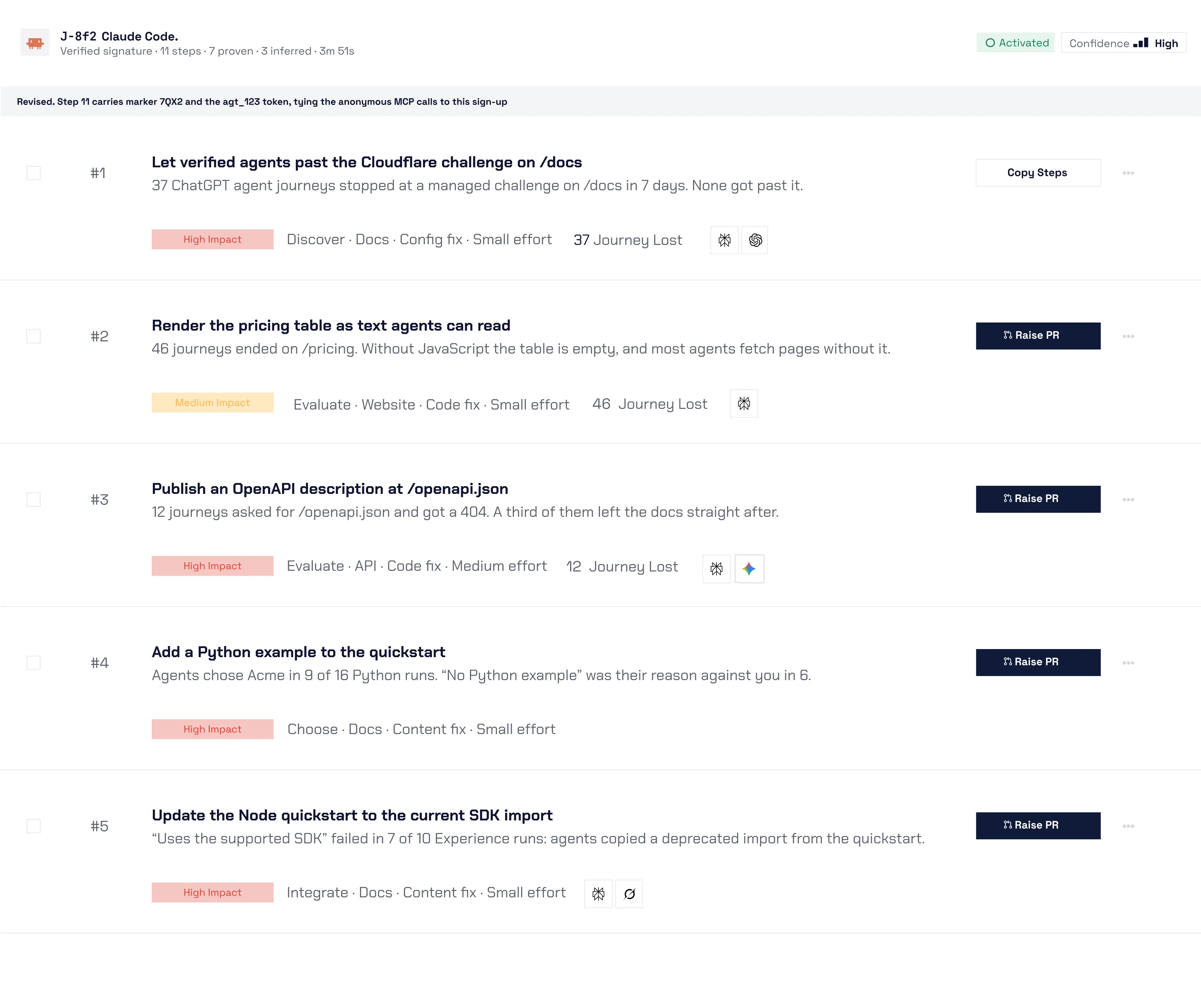
1. They don't follow your funnel
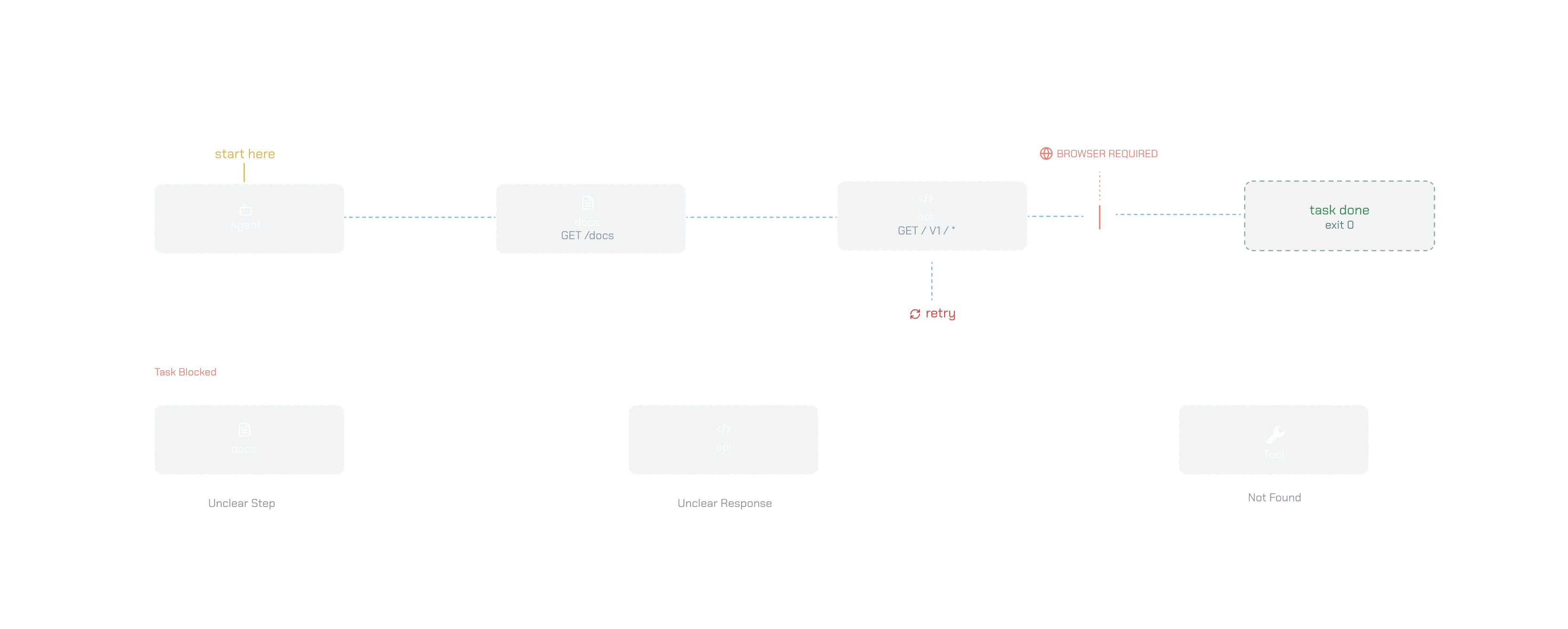
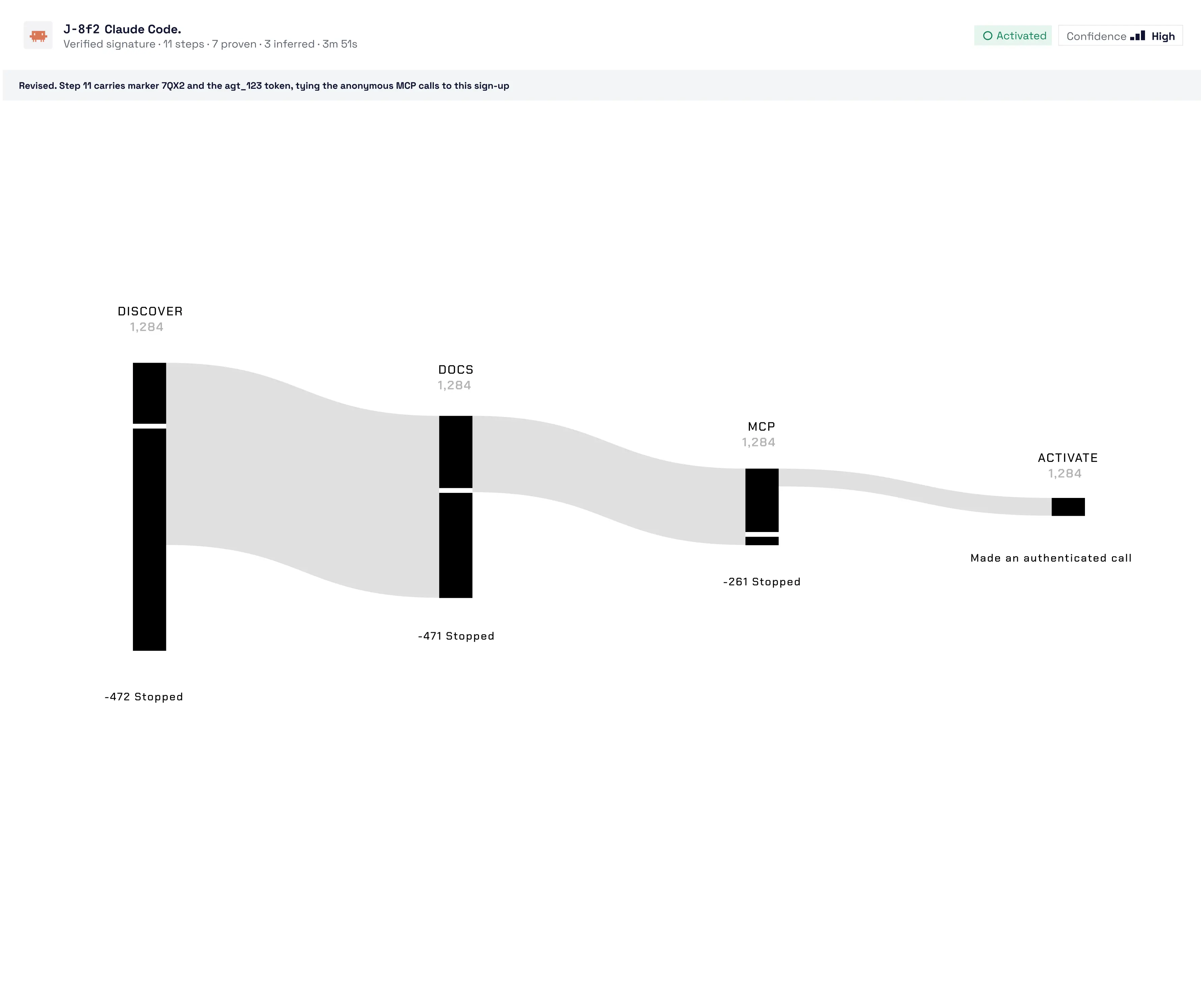
An agent might discover you through documentation, inspect an SDK, call an MCP tool, hit an API and authenticate, all as part of one task. Your product sees separate interactions. The agent experiences one journey.


 Trusted by teams at










 The problem

An agent might discover you through documentation, inspect an SDK, call an MCP tool, hit an API and authenticate, all as part of one task. Your product sees separate interactions. The agent experiences one journey.
 The solution
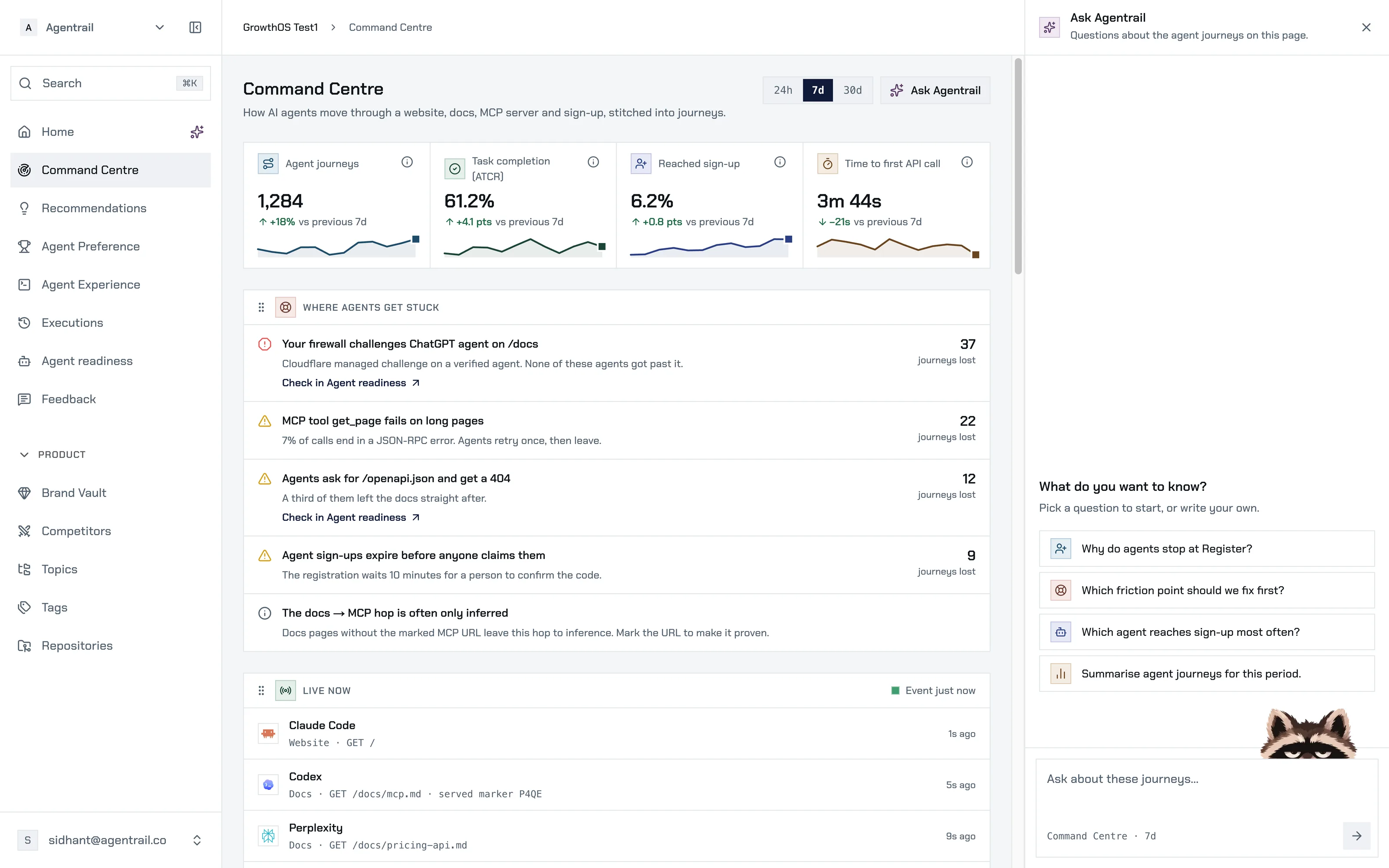
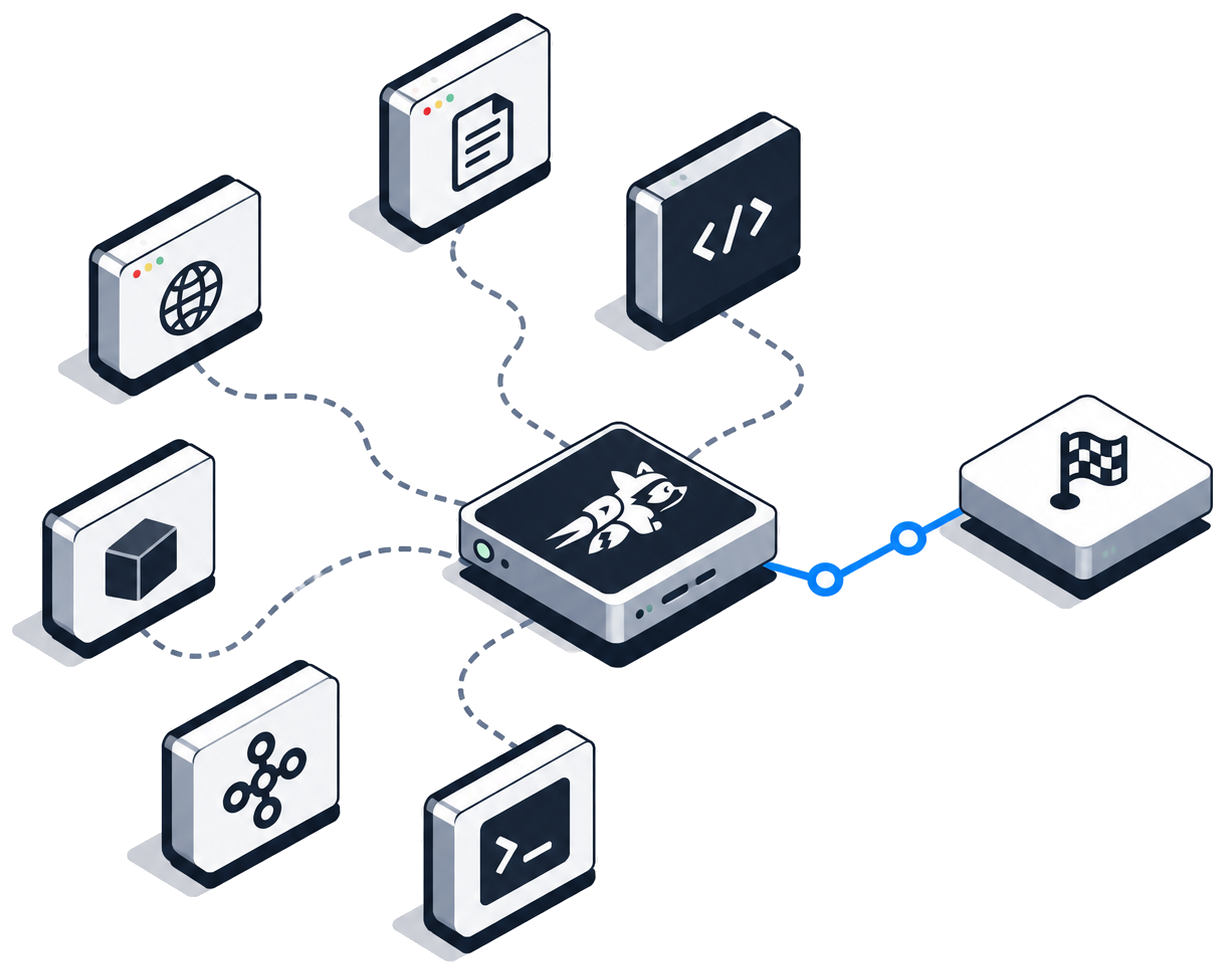
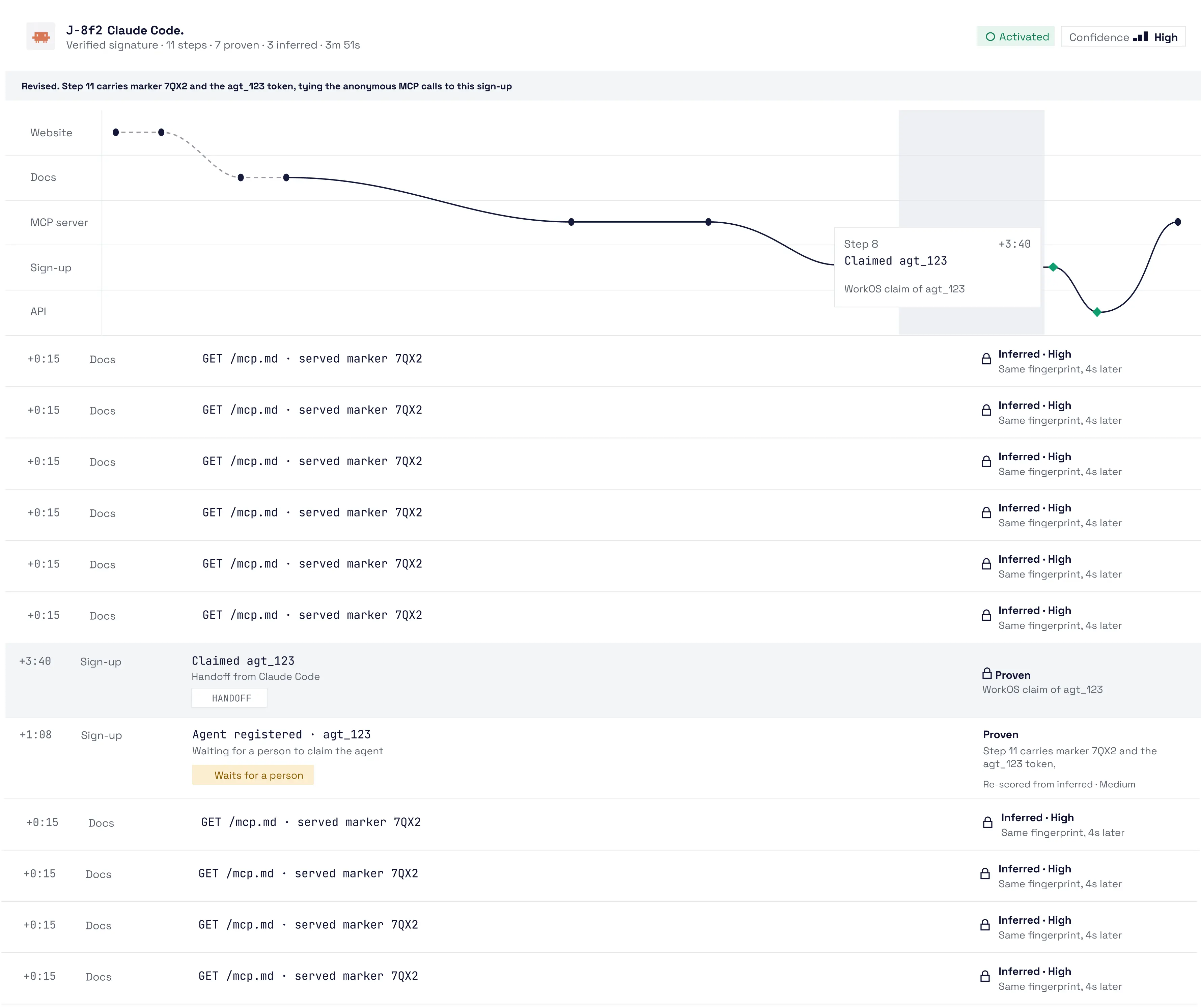
Agentrail turns fragmented activity across your website, docs, APIs, SDKs, MCPs and tools into the actual task an agent was trying to complete.
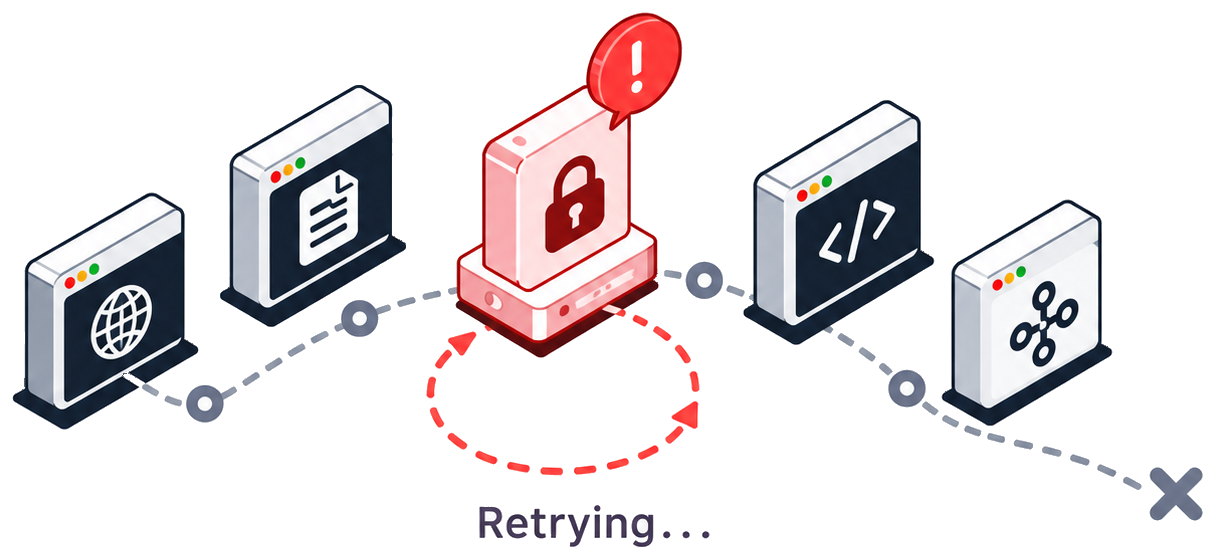
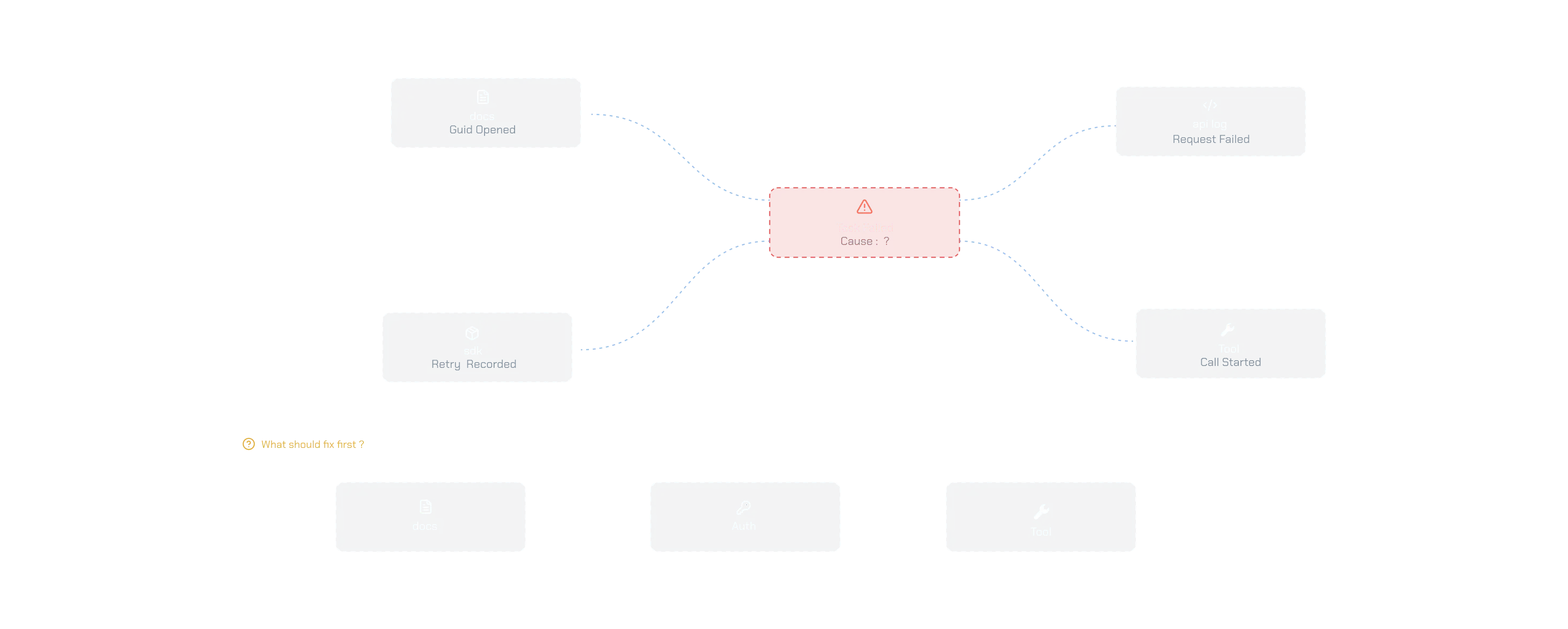
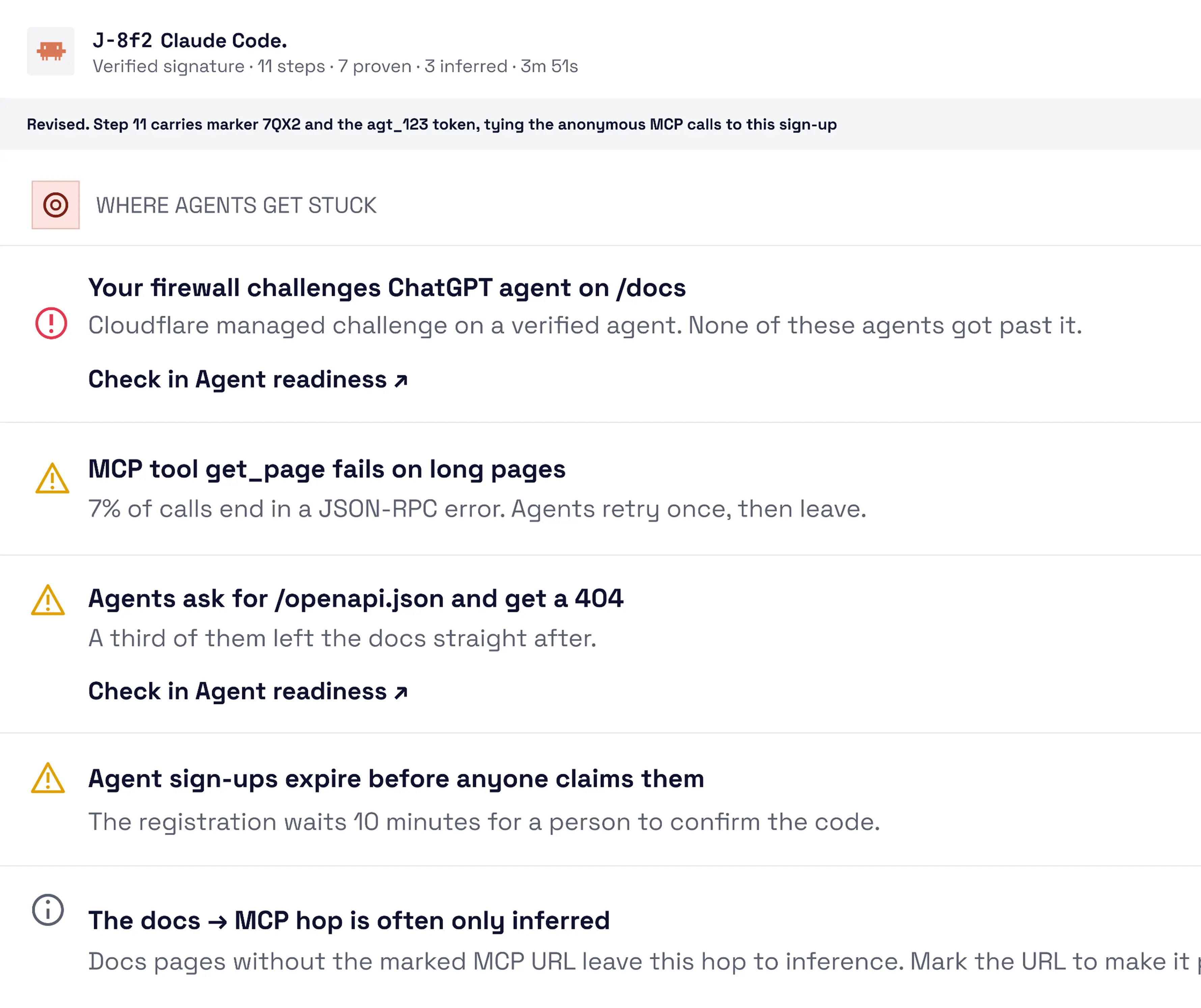
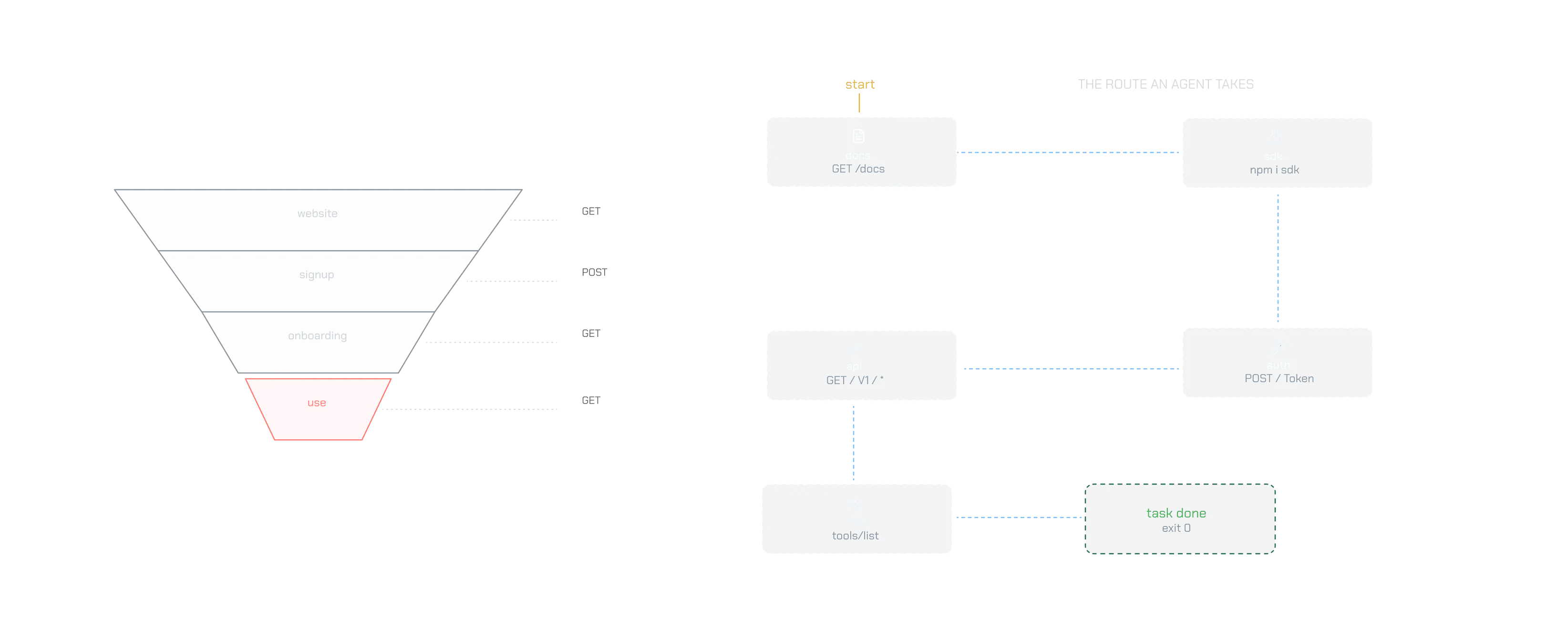
Understand where agents hesitate, retry, take unnecessary steps or fail completely, so you can spot friction across the full product experience.
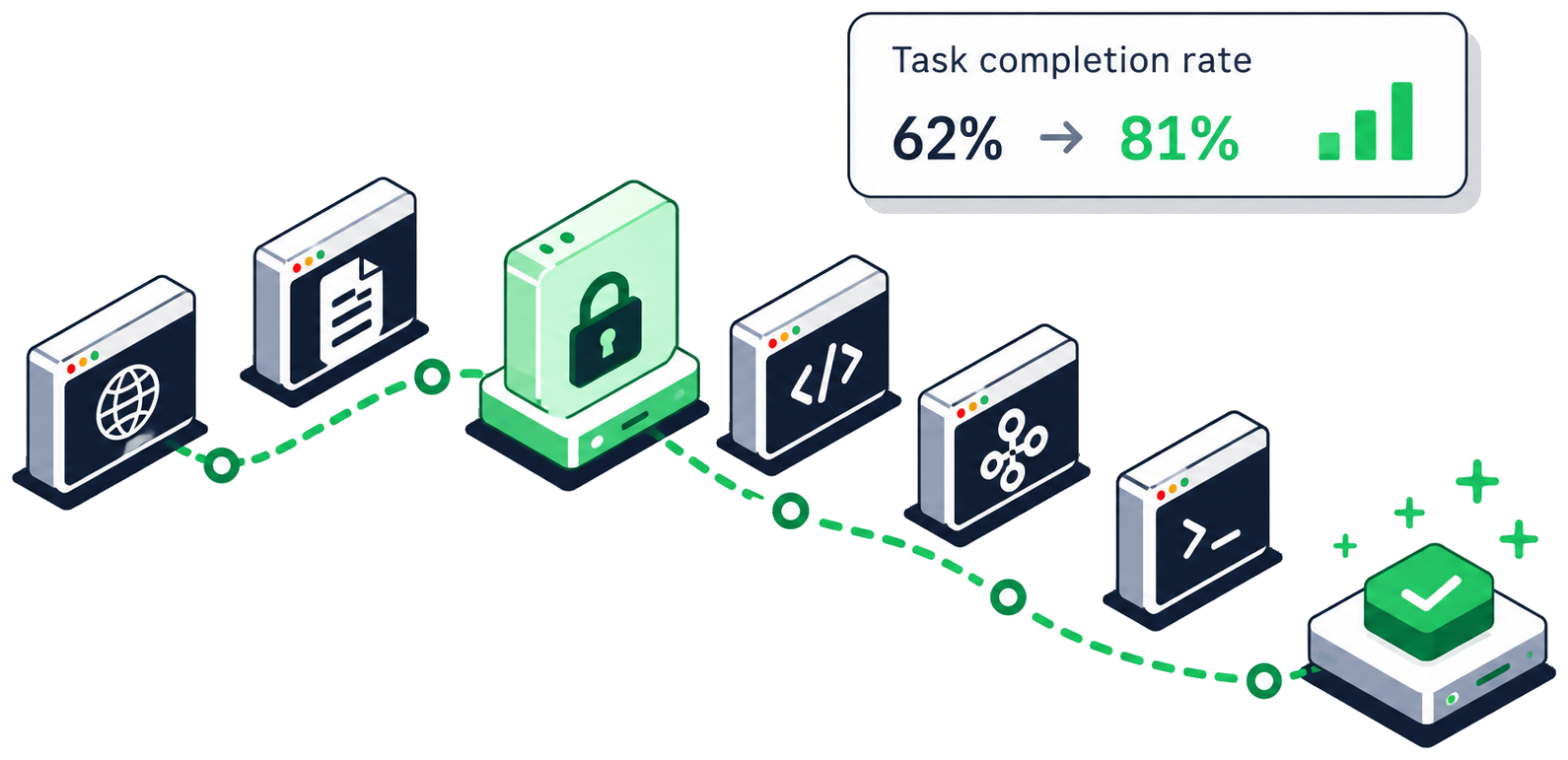
Clear changes across docs, auth, APIs, SDKs and MCPs, then measured against real traffic, not a test run.
 Why it matters
Agent usability becomes distribution.
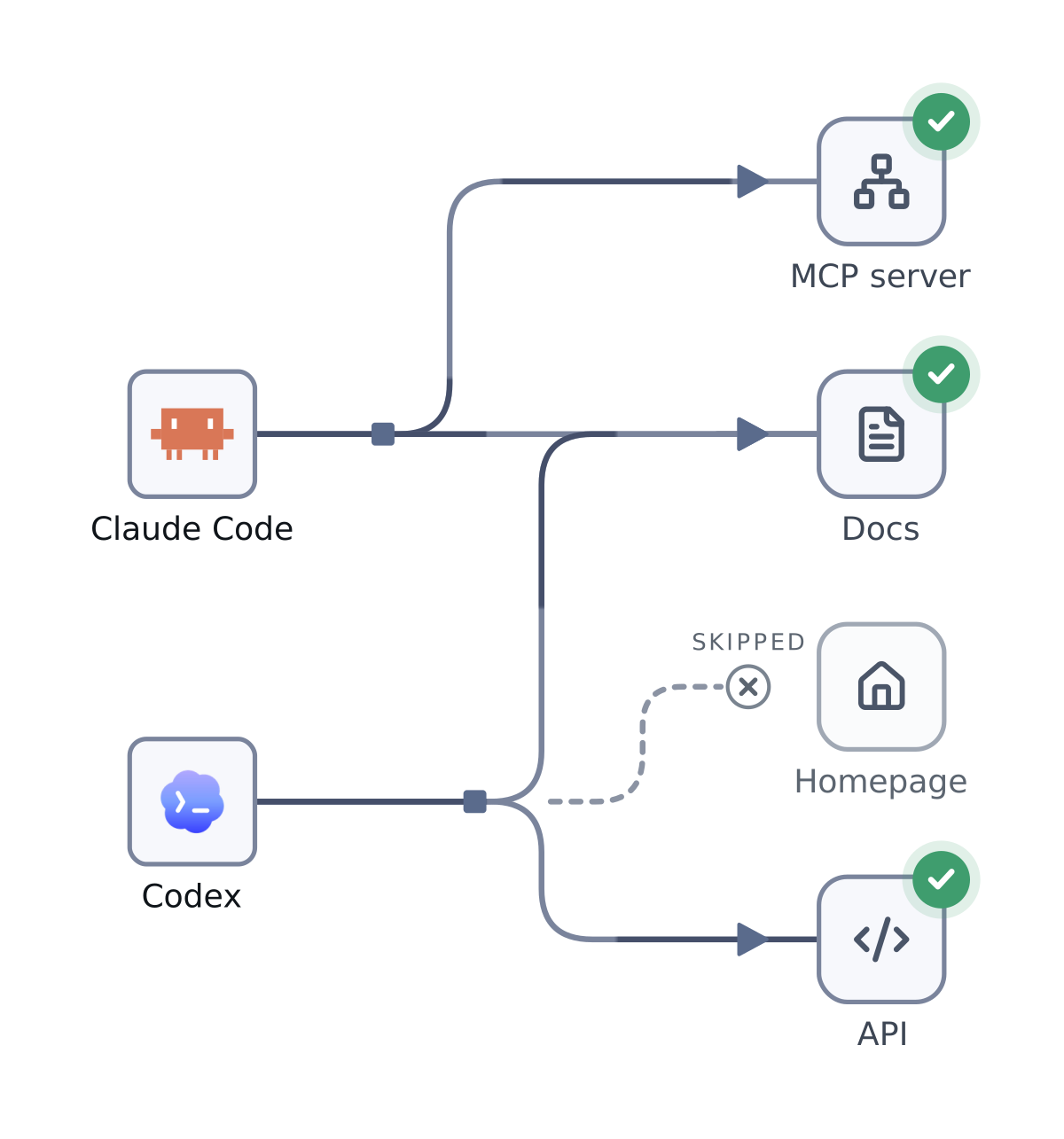
Agents find you through docs, SDKs, MCP tools and APIs, not your homepage.
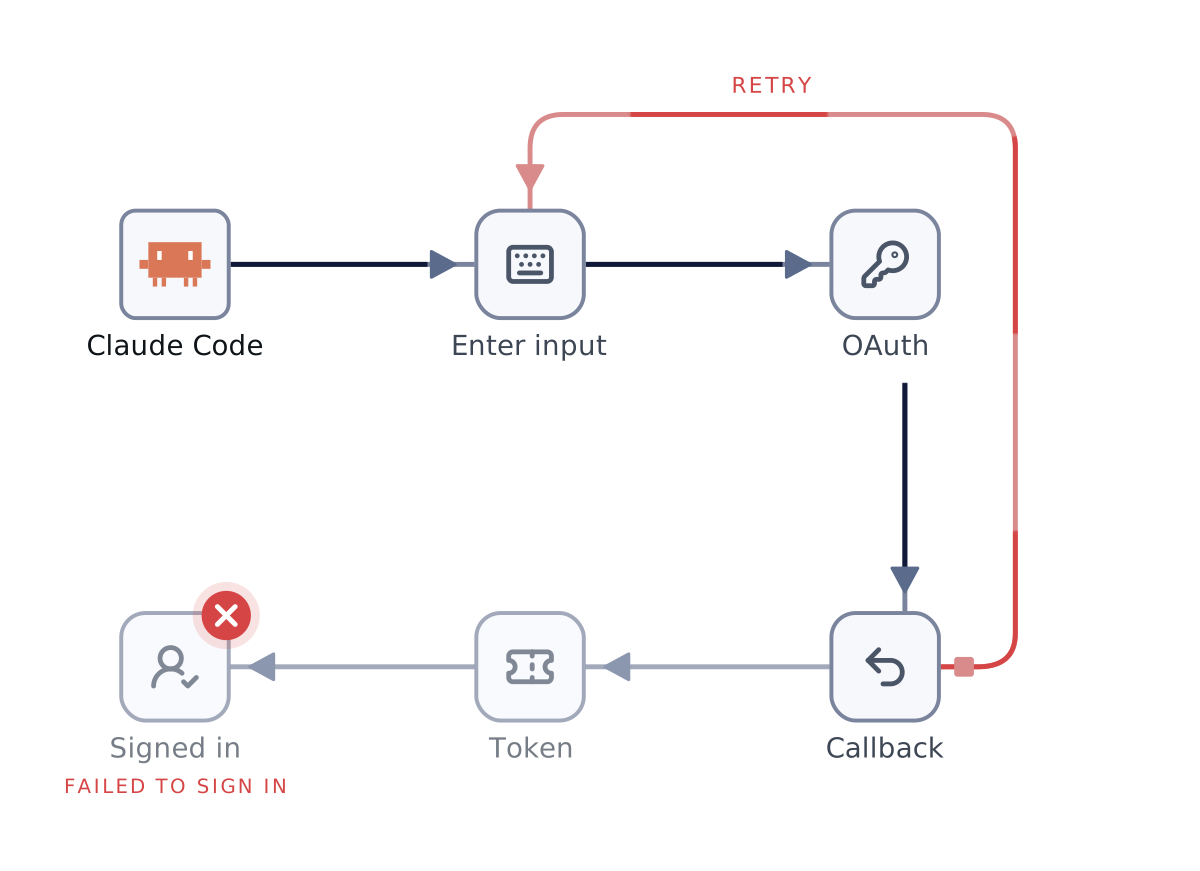
An agent reads, calls and authenticates as one continuous journey.
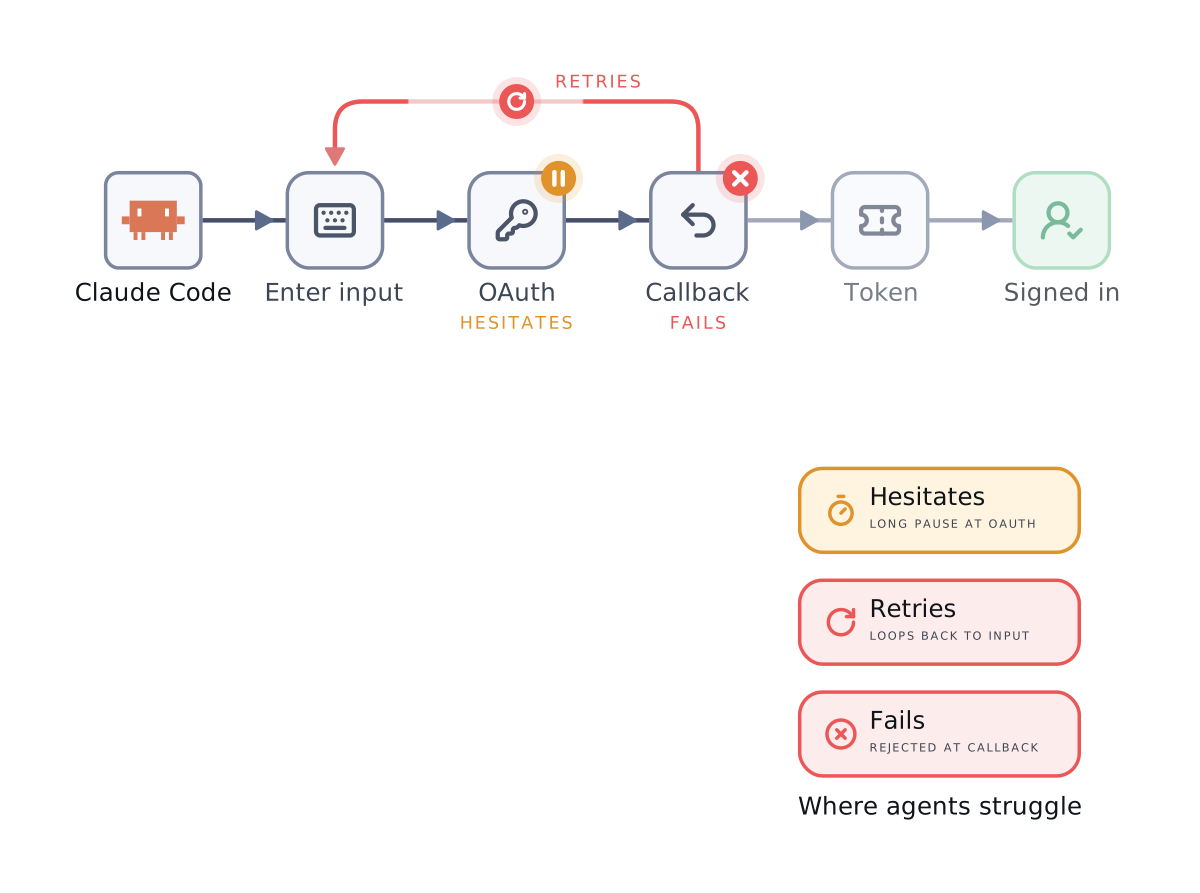
We reconstruct the journey and pinpoint where agents hesitate, retry or fail.
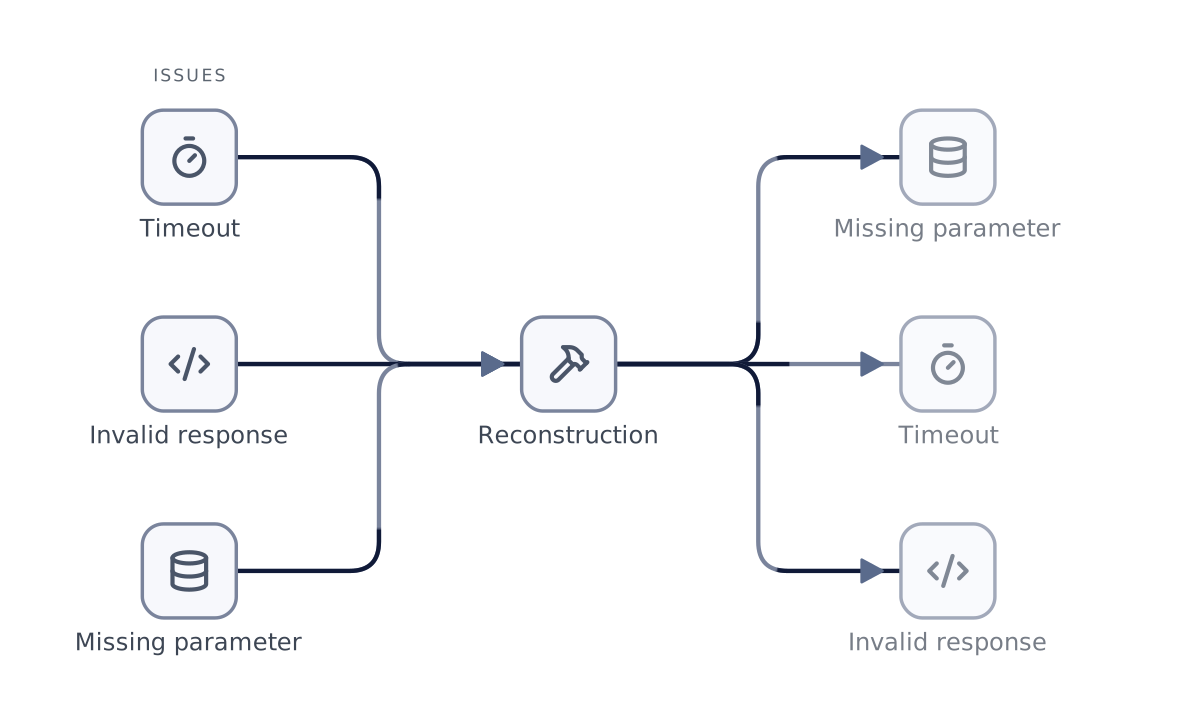
Docs, auth, APIs and tooling, prioritised by the friction that matters most.
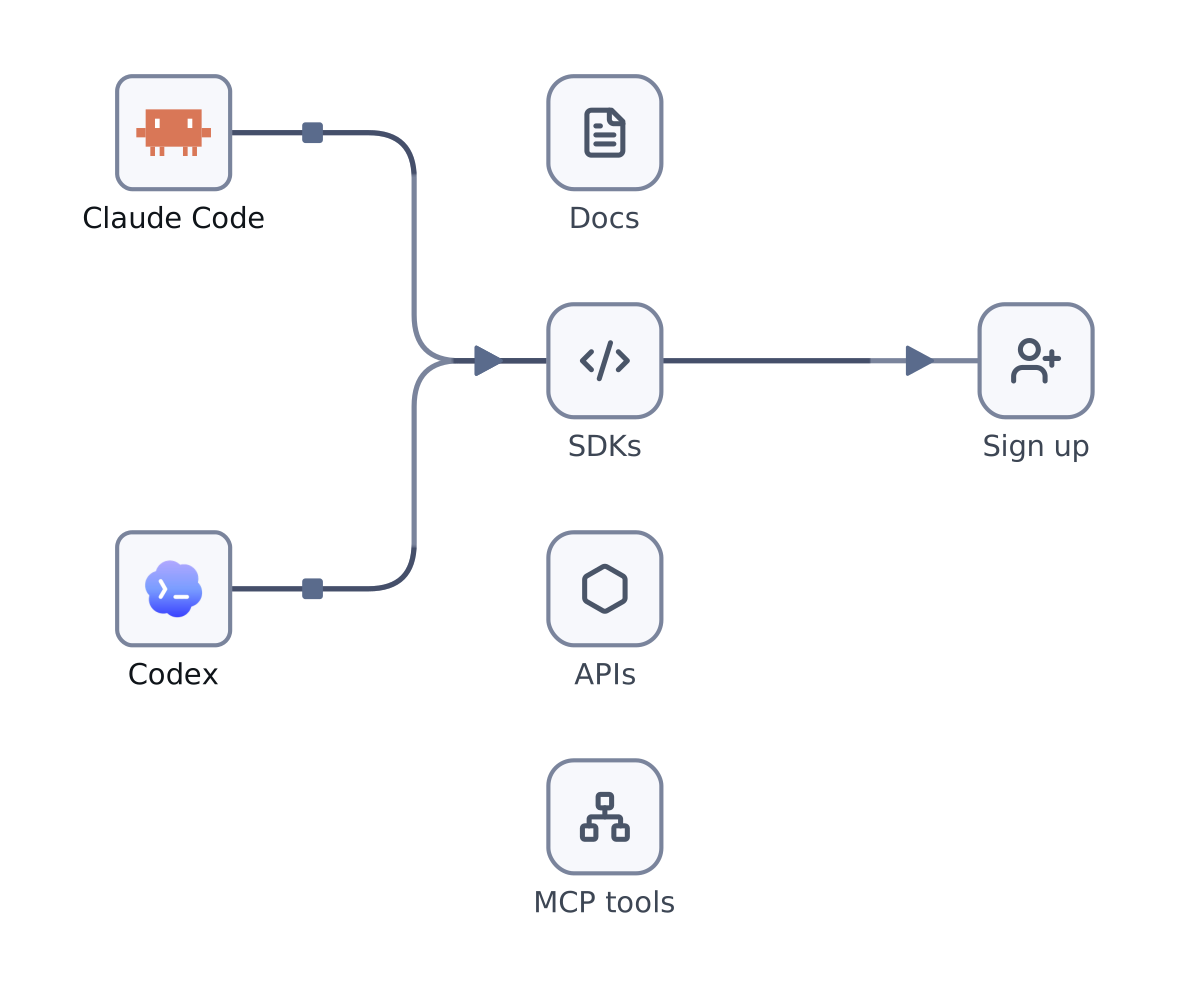
Every unblocked task makes the next agent more likely to finish.
Agent usability becomes distribution.
Agents find you through docs, SDKs, MCP tools and APIs, not your homepage.
An agent reads, calls and authenticates as one continuous journey.
We reconstruct the journey and pinpoint where agents hesitate, retry or fail.
Docs, auth, APIs and tooling, prioritised by the friction that matters most.
Every unblocked task makes the next agent more likely to finish.
 The features

“Before Agentrail, we could not attribute agent users, leaving 10% of revenue on the table. Agentrail helped us identify them, recover 15% of lost users, and improved our docs and MCP to drive conversion.”
15%users recovered
 Pricing
Free
01
Start with journeys, simulations and readiness at no cost.
$0/ month
Includes
 Hit a limit?
Pay as you go
02
Pay only for the journeys and runs you use.
$0.10/ journey
Includes
 Faq
Faq
Agentrail uses a combination of request, behavioral, temporal and product-level signals to fingerprint agent activity and reconstruct related interactions into a single task journey.
Agent journeys can span websites, documentation, APIs, SDKs, MCP servers, tool calls, authentication flows and other product surfaces.
Agentrail works with signals from your existing systems. The exact integration depends on your stack and the surfaces you want to understand.
You see what agents are trying to accomplish, the path they take, where they struggle or fail, recurring usability problems and recommendations for improving those experiences.
No. Early agent journeys can expose product assumptions that work well for humans but make your product difficult for autonomous users.
Those tools help you understand traffic, events and system behaviour.
Agentrail reconstructs the user experience of the agent itself: what it was trying to accomplish, how it interacted with the product, where the experience failed and how to improve it.
Evals test agents you configure on tasks you script. Agentrail reconstructs the real agents and tasks already in your traffic. Most teams use both.
We combine request, behavioural, timing and product signals to fingerprint agent activity, then stitch related interactions into one task journey.